
Planning a comprehensive deep clean for your home often brings immediate pricing confusion. You check an on-demand app and see a flat rate, contact an independent local cleaner who quotes by visual estimate, or look at an enterprise facility team charging strictly by carpet area.
The reality is that house cleaning service costs are not arbitrary. Professional cleaning rates depend on measurable variables: total square footage, architectural layout (such as multi-story builder floors versus modern high-rise apartments), active occupancy status, and specialized mechanical requirements needed to tackle regional issues like urban particulate matter or hard-water mineral scaling.
Whether you are preparing a newly leased flat for handover, booking an annual festive deep clean, or descaling heavy limescale from your washrooms, this comprehensive guide details average industry rates, BHK benchmarks, per-square-foot calculations, and the hidden cost factors you must know before hiring a professional crew.
Table of Contents
- Average House Cleaning Services Cost Overview
- House Cleaning Rates by BHK Configuration
- Per Square Foot Pricing: How Architectural Scope Affects Cost
- Occupied vs. Vacant (Move-In/Move-Out) Cleaning Rates
- Room-by-Room & Add-On Service Rate Cards
- Regional Cost Factors: Tackling NCR Smog, Dust, and Hard Water
- Aggregator Marketplaces vs. Professional Facility Teams
- Comprehensive Deep Cleaning Checklist & Process
- How to Avoid Hidden Fees and Service Disputes
- Frequently Asked Questions (FAQs)
Average House Cleaning Services Cost Overview
Across the urban residential sector—most notably within fast-growing metros like Delhi, Gurugram, and Noida—professional deep cleaning for standard apartments ranges from ₹2,399 to ₹12,000+, depending on the size of the home, the number of bathrooms, and the level of buildup.
Basic domestic maid services handle daily surface maintenance (sweeping, manual mopping, and basic dusting) for ₹99 to ₹149 per hour, or on monthly retainers of ₹3,500 to ₹5,000. However, true home deep cleaning services require industrial equipment: rotary floor scrubbers, high-pressure steam degreasers, HEPA-filtered wet/dry extraction vacuums, and pH-balanced descaling agents.
Here is a quick snapshot of baseline benchmarks for professional deep cleaning packages:
| Property Size / Type | Typical Covered Area (Sq Ft) | Vacant / Handover Rate (₹) | Occupied / Furnished Rate (₹) | Crew Size & Duration |
| 1 BHK / Studio | Up to 600 sq ft | ₹2,300 – ₹2,800 | ₹2,799 – ₹3,500 | 2 Cleaners (3–4 hrs) |
| 2 BHK Apartment | 600 – 1,000 sq ft | ₹3,500 – ₹4,200 | ₹4,199 – ₹5,200 | 2–3 Cleaners (4–5 hrs) |
| 3 BHK Apartment | 1,000 – 1,500 sq ft | ₹4,800 – ₹5,800 | ₹5,499 – ₹6,800 | 3–4 Cleaners (5–6 hrs) |
| 4 BHK / Penthouse | 1,800 – 2,500 sq ft | ₹6,500 – ₹8,500 | ₹7,500 – ₹9,800 | 4–5 Cleaners (6–8 hrs) |
| Independent Villa / Duplex | 2,500 – 4,500+ sq ft | ₹8,500 – ₹12,500+ | ₹9,500 – ₹15,000+ | 5–6 Cleaners + Supervisor |
House Cleaning Rates by BHK Configuration
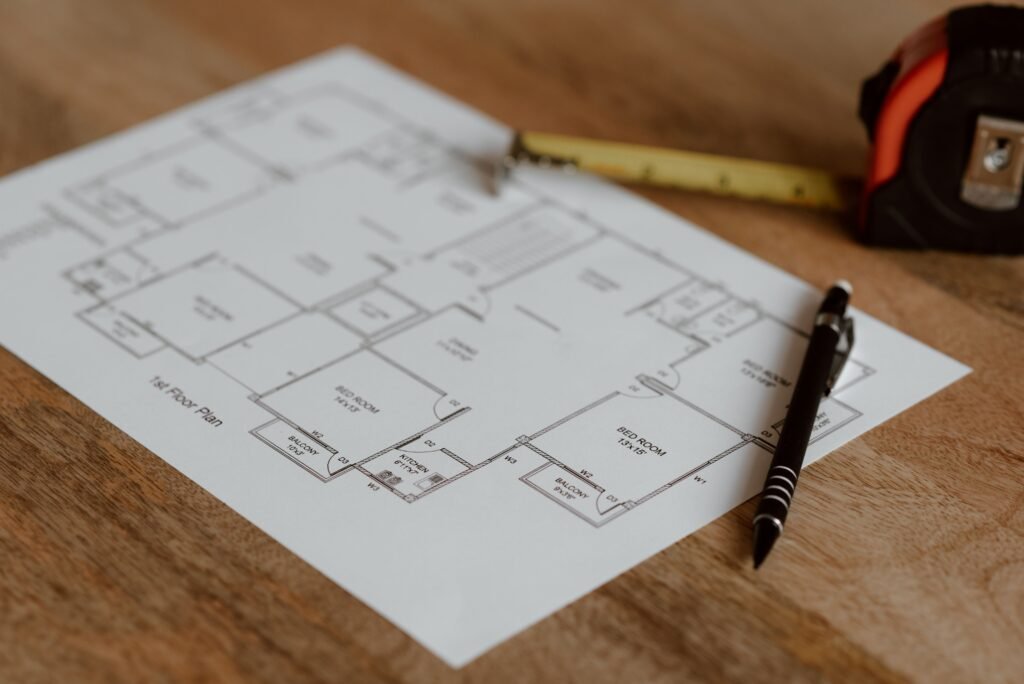
BHK-based pricing is the standard model used by both on-demand consumer apps and localized cleaning contractors. This structure links the price directly to the standard inventory of rooms, fixtures, windows, and washrooms typical of that unit size.
| Property Type | Estimated Cost Range |
| 1 BHK | ₹2,399 – ₹3,500 |
| 2 BHK | ₹3,699 – ₹5,200 |
| 3 BHK | ₹4,899 – ₹6,800 |
| 4 BHK+ | ₹7,500 – ₹12,000+ |
1 BHK & Studio Apartments (Up to 600 Sq Ft)
- Average Occupied Rate: ₹2,799 – ₹3,500
- Average Vacant Rate: ₹2,399 – ₹2,800
- Recommended Crew Deployment: 2 Trained Technicians
- Typical Operational Time: 3 to 4 Hours
Studio apartments and 1 BHK units present compact floor plans with a high density of fixtures per square foot. The primary operational focus is on the single washroom and the compact kitchen, where grease deposits accumulate quickly across overhead cabinets, splashback tiles, and exhaust fans.
A standard 1 BHK package covers single-disc rotary machine scrubbing for living and bedroom floors, interior window pane cleaning, cobweb extraction from high ceilings, comprehensive bathroom descaling, and exterior cabinet wipe-downs.
2 BHK Apartments (600 to 1,000 Sq Ft)
- Average Occupied Rate: ₹4,199 – ₹5,200
- Average Vacant Rate: ₹3,699 – ₹4,200
- Recommended Crew Deployment: 2 to 3 Trained Technicians
- Typical Operational Time: 4 to 5 Hours
The 2 BHK layout is the most common residential configuration across urban centers. With two distinct sanitary zones (often a master en-suite and a common guest bathroom), a utility balcony, and an enclosed or open modular kitchen, the cleaning scope expands significantly.
Inclusions standard to this tier feature heavy mechanical tile scrubbing, sanitization of electrical switchboards, window track vacuuming, dry dusting of doors and frames, balcony surface wash, and high-temperature steam degreasing around cooking hobs.
3 BHK Apartments (1,000 to 1,500 Sq Ft)
- Average Occupied Rate: ₹5,499 – ₹6,800
- Average Vacant Rate: ₹4,899 – ₹5,800
- Recommended Crew Deployment: 3 to 4 Trained Technicians
- Typical Operational Time: 5 to 7 Hours
Three-bedroom units demand synchronized crew workflows to prevent excessive disruption to household routines. Professional service providers divide labor across specialized zones: one cleaner tackles the three individual washrooms, a second technician handles kitchen degreasing and appliance exteriors, while two crew members run high-torque floor polishers and wet-extraction vacuums across living spaces, bedrooms, and outdoor balconies.
4 BHK Units, Penthouses, and Luxury Duplexes (1,800 to 3,000+ Sq Ft)
- Average Occupied Rate: ₹7,500 – ₹10,500+
- Average Vacant Rate: ₹6,500 – ₹8,999
- Recommended Crew Deployment: 4 to 5 Technicians + 1 On-Site Supervisor
- Typical Operational Time: 7 to 9 Hours (Full-Day Intensive Service)
Large luxury layouts introduce complex architectural challenges: multi-level staircases, imported marble or engineered wooden flooring, extensive decorative glass partitions, walk-in closets, and attached servant quarters.
At this tier, an on-site supervisor is critical. Supervisors conduct pre-service spot checks to identify sensitive materials (such as unsealed natural Italian marble or delicate wall coverings) that require neutral-pH cleaning solutions rather than aggressive acid-based chemicals.
Per Square Foot Pricing: How Architectural Scope Affects Cost
While BHK estimates provide a convenient shorthand, per-square-foot rates are the benchmark used by institutional cleaning firms, commercial operators, and facility management teams.
When quoting on a square-footage model, residential deep cleaning rates typically range from ₹3.00 to ₹6.50 per square foot of built-up area.
Base Price = Total Built-up Area (Sq Ft) x Base Cleaning Rate (₹/Sq Ft)
Adjustments: + Occupancy Factor (15-20%) + High-Build Specialty Treatments
Understanding how your home’s layout affects square footage pricing will help you avoid unexpected charges:
- Carpet Area vs. Super Built-up Area: Ensure your service provider quotes on usable carpet or covered built-up area rather than the inflated “super built-up area” listed in builder sales brochures. The super built-up figure includes shared corridors, lift lobbies, and common society infrastructure that your cleaning crew will not be touching.
- Ceiling Height Multipliers: Standard square-foot formulas assume a standard ceiling height of 9 to 10 feet. Duplex apartments or independent builder floors with 12-to-15-foot high ceilings require extendable ladders, industrial scaffolding, and telescoping vacuum attachments. Expect a 10% to 15% surcharge for high-clearance architectural designs.
- Balcony and Terrace Scope: Large open verandas, utility spaces, and terraces are priced at lower per-square-foot rates (typically ₹1.50 to ₹2.50 per sq ft) because they lack interior fixtures and cabinetry. However, if exterior floor tiles require heavy acid-free rotary descaling to remove long-standing environmental grime, standard mechanical floor rates apply.
Occupied vs. Vacant (Move-In/Move-Out) Cleaning Rates
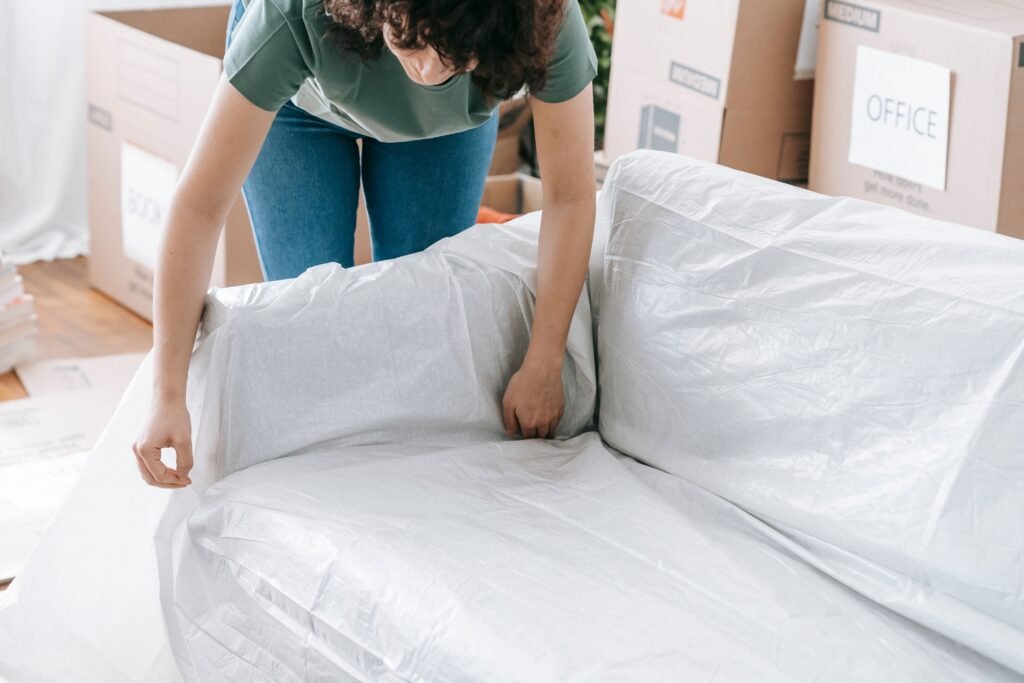
One of the most common pricing misunderstandings stems from the difference between an occupied, fully furnished property and a vacant, unfurnished unit.
| Occupancy Status | Environmental Factors | Operational Impact | Cost Result |
| Occupied Home | High Furniture Density + Inhabited Living Space | Slower navigation + exterior-only cabinet cleaning | Higher Cost (Base + 15–20%) |
| Vacant / Turnover Unit | Zero Furniture Obstacles + Open Floor Plates | Full machine accessibility + interior/exterior deep scrub | Lower base cost, but higher post-paint/adhesive scopes |
Occupied / Furnished Homes (+15% to +20% Cost Premium)
Cleaning an occupied home requires cautious physical handling. Technicians must shift heavy furniture, vacuum under beds, navigate fragile decor, and work carefully around household members and pets.
Crucially, in occupied homes, interior cabinet and wardrobe cleaning is typically excluded unless you have fully emptied the shelves prior to the crew’s arrival. Cleaning around personal belongings takes extra time, and the added caution needed around fine furnishings results in higher labor costs.
Vacant Properties (Move-In / Move-Out Turnovers)
Empty homes present bare floor plates, making it much easier for technicians to run heavy rotary floor scrubbers, floor-buffing pads, and industrial wet/dry extractors without obstruction.
Consequently, the base labor cost for a vacant property is usually 10% to 20% lower than an occupied home of identical square footage.
Furthermore, move-in and handover cleaning packages include deep cleaning of the interiors of empty kitchen cabinets, pantries, bedroom wardrobes, and under-sink utility cabinets—ensuring the property is clean and sanitized for incoming occupants.
[Internal Link Opportunity: Vacant Home Cleaning Services Guide]
Room-by-Room & Add-On Service Rate Cards
If your entire home does not require a full deep clean, targeted room packages or specialized equipment add-ons offer an efficient, cost-effective alternative.
Individual Room Pricing Benchmarks
| Service Category | Standard Market Rate | Operational Equipment & Inclusions |
| Kitchen Intensive Degrease | ₹1,200 – ₹1,999 | High-pressure steam degreasing, chimney exterior, gas hob descaling, tile scrubbing, cabinet exterior wash. |
| Bathroom Deep Descaling | ₹400 – ₹699 / washroom | Non-corrosive acid-free limescale removal, grout scrubbing, chrome fitting polish, mirror buffing. |
| Balcony Jet Wash | ₹300 – ₹600 / balcony | High-pressure jet wash, drainage grate clearance, railing wiping, exterior grime removal. |
| Living Room Machine Scrub | ₹800 – ₹1,500 | Single-disc mechanical floor polishing, skirting board dusting, switchboard wipe-down. |
Furniture & Fabric Care Rate Card
Airborne particulate matter, dust mites, and daily use cause fabrics to trap deep dirt, allergens, and odors that normal vacuuming cannot dislodge.
Fabric Care Workflow:
[Dry HEPA Extraction] -> [Enzyme Shampoo Injection] -> [Rotary Agitation] -> [Wet Suction Extraction]
- Fabric Sofa Cleaning: ₹300 to ₹450 per seating unit (e.g., a standard 5-seater L-shape sofa costs approximately ₹1,500 to ₹2,250).
- Leather Sofa Conditioning: ₹450 to ₹650 per seat (involves pH-neutral foam cleansing followed by a protective leather nourishing cream).
- Mattress Sanitization (King/Queen): ₹1,100 to ₹1,800 (dual-sided UV vacuum extraction, hot water extraction, and anti-allergen sanitizing mist).
- Carpet & Large Rug Cleaning: ₹10 to ₹25 per square foot (dry compound or injection-extraction shampooing based on fiber sensitivity).
- Upholstered Dining Chairs: ₹150 to ₹250 per seat.
Regional Cost Factors: Tackling NCR Smog, Dust, and Hard Water
Regional environmental conditions directly impact the cleaning effort and specialized chemicals required to restore a property. In metropolitan areas like the National Capital Region (comprising Delhi, Gurugram, Noida, and Faridabad), two persistent environmental challenges drive domestic cleaning costs:
1. Elevated Airborne Particulate Matter (PM2.5 and PM10)
During seasonal atmospheric inversions and persistent winter smog windows, indoor dust accumulation rises dramatically across both modern high-rise apartments and independent builder floors. Fine dust particles settle deep into window sliders, AC vents, and porous upholstery fabrics.
Standard dry dusting only recirculates these hazardous microscopic particles. Removing them requires dual-motor HEPA filtration vacuums and wet-extraction systems that actively trap fine dust without spreading it back into the living space.
2. Groundwater Chemistry and Hard Water Scaling
Throughout Noida, Greater Noida, and significant portions of Gurugram and West Delhi, domestic water supplies contain elevated levels of Total Dissolved Solids (TDS) and mineral salts.
Over time, this hard water causes heavy calcium carbonate and limescale encrustation across bathroom fixtures:
- Shower glass partitions develop cloudy, opaque mineral films.
- Chrome and brass fixtures become coated in stubborn white crust.
- Glazed ceramic wall tiles and sanitary ware lose their shine.
Eliminating severe limescale without scratching delicate chrome plating or etching natural stone requires specialized, non-corrosive chemical descalers.
Budget cleaning crews often make the mistake of using cheap, raw hydrochloric acid solutions. While these clear scale quickly, they produce noxious fumes, strip the protective chrome plating from fixtures, and leave bathroom fittings prone to rapid, permanent rusting. High-grade, acid-free descaling agents cost more, which is reflected in the pricing of reputable, professional cleaning services.
Aggregator Marketplaces vs. Professional Facility Teams
When booking a home clean, homeowners typically choose between large digital aggregators or direct, professional facility management providers. Understanding how their operational models differ makes it easier to choose the right service for your home.
| Feature | Aggregator Platforms | Facility Firms |
| Labor Model | Independent gig workers | Full-time trained staff |
| Equipment Used | Compact portable kits | Heavy industrial gear |
| Task Boundaries | Strict automated checklist | Flexible, customized |
| Quality Control | Customer app rating | On-site supervisor sign-off |
| Schedule Reliability | Prone to auto-cancellation | Guaranteed dispatch |
Digital Aggregator Platforms
Tech aggregators use algorithms to match customers with freelance gig workers.
- The Strengths: Streamlined mobile app interfaces, fast booking, and low entry-level pricing.
- The Limitations: Personnel are held to rigid platform-allotted time limits. Workers routinely decline tasks that fall outside their basic checklists—such as wiping accessible wall scuffs, moving heavy appliances to clean behind them, or clearing light renovation debris. If a job runs long, workers may rush to avoid algorithmic penalties on their next dispatch.
Institutional Facility Providers
Professional facility management companies use full-time, payroll-employed cleaning crews backed by commercial-grade equipment.
- The Strengths: Crews arrive equipped with heavy-duty single-disc rotary scrubbers, commercial wet/dry extractors, and industrial steam units. Because the personnel work under permanent employment, operations are overseen by dedicated supervisors who conduct physical audits before client sign-off.
- The Limitations: Booking workflows often require direct phone or messaging coordination rather than instant app checkouts, and minimum booking thresholds are typically higher.
Comprehensive Deep Cleaning Checklist & Process
A high-quality professional house cleaning service follows a systematic top-to-bottom, dry-to-wet operational methodology. This structured process prevents dust from settling onto surfaces that have already been washed.
The 5-Stage Top-to-Bottom Protocol:
[Stage 1: Ceiling & High Vents] -> [Stage 2: Fixtures & Walls] -> [Stage 3: Glass & Sliders] -> [Stage 4: Degreasing & Descaling] -> [Stage 5: Mechanical Floor Scrubbing]
Stage 1: Dry Soil and Ceiling Clear-Out
- High-reach feather and microfiber duster sweep to remove spider webs and static ceiling dust.
- Thorough dry-vacuuming of ceiling fan blades, decorative light fixtures, and exhaust louvers.
- Vacuuming of split-AC filters, return grilles, and curtain pelmets.
Stage 2: Vertical Surfaces, Doors, and Electrical Safety
- Dry dusting of switchboards, electrical panels, and distribution boxes using non-conductive microfiber cloths.
- Spot-cleaning finger marks and scuffs from doors, door jambs, and architectural wall moldings.
- Vacuuming of wooden wardrobes, exterior laminates, and baseboard trims.
Stage 3: Windows, Glass, and Slider Tracks
- Deep extraction of packed dirt, mud, and dust from sliding window channels using specialized narrow crevice nozzles.
- Streak-free cleaning of window panes, glass balustrades, and structural mirrors using rubber squeegees and ammonia-free solutions.
- Wiping of exterior grills and window sills.
Stage 4: Intensive Kitchen and Washroom Sanitation
- High-heat steam sanitization applied to kitchen sinks, drain mouths, and cooking zones to break down hardened grease and oils.
- Multi-stage application of eco-friendly descaling agents across sanitary ware, washroom tiles, and chrome fittings.
- Neutralization and squeegee drying of all damp surfaces to prevent mildew and mold development.
Stage 5: Mechanized Floor Scrubbing and Extraction
- High-torque single-disc floor scrubbers fitted with soft or medium nylon pads remove embedded grime from tile and stone floors.
- Wet-vacuum extraction pulls dirty slurry straight out of porous grout lines.
- Final microfiber damp mopping using neutral-pH sanitizing floor detergents leaves a clean, streak-free surface.
How to Avoid Hidden Fees and Service Disputes
To ensure a smooth service and avoid surprise charges on your final invoice, keep these practical guidelines in mind before your cleaning crew arrives:
| Status | Audit Checklist Item |
| 1. | Clarify carpet area vs super built-up area |
| 2. | Confirm if cabinet interiors are included |
| 3. | Specify ceiling heights over 10 feet |
| 4. | Check if the crew carries single-disc rotary machines |
| 5. | Confirm water and power availability for high-draw equipment |
| 6. | Verify background checks and police verification for crew |
- Ask for an Explicit Inclusion/Exclusion Matrix: Ask your service provider to confirm their policy on interior cabinet cleaning, balcony washing, paint speck removal, and wall cleaning in writing. Disagreements usually arise when customers assume a deep clean covers interior cupboards that are still full of personal items.
- Verify Water and Power Infrastructure: Industrial single-disc floor scrubbers and extraction vacuums require uninterrupted power (typically standard 16A connections) and running tap water. If you are moving into a newly handed-over flat where utilities have not yet been activated, notify the operations team in advance so they can plan accordingly.
- Verify Personnel Background Checks: Ensure the cleaning company deploys verified staff whose identity and background checks have been completed. Reputable operations maintain full compliance standards and police clearances for all on-site personnel.
- Identify Fragile Surfaces Early: During the initial walk-through, show the crew any delicate, unsealed, or luxury materials—such as raw travertine, untreated Italian marble, acid-sensitive brass fixtures, or delicate designer wall coverings. Make sure the team uses only neutral-pH detergents on these surfaces.
[Internal Link Opportunity: Professional Home Deep Cleaning Services]
Frequently Asked Questions (FAQs)
What is the primary difference between standard daily cleaning and professional deep cleaning?
Standard daily cleaning focuses entirely on surface maintenance—light sweeping, surface mopping, manual dusting, and basic dishwashing.
Professional deep cleaning uses commercial-grade machinery and specialized chemicals to eliminate deep grime. It includes mechanical rotary floor scrubbing, high-temperature steam degreasing of kitchen surfaces, chemical descaling of hard-water stains on bathroom fixtures, window slider track vacuuming, and complete sanitization of hard-to-reach areas.
How long does a full home deep cleaning take?
Service duration depends on the property’s size, occupancy status, and overall condition:
- 1 BHK: 3 to 4 hours (2 cleaners)
- 2 BHK: 4 to 5 hours (2 to 3 cleaners)
- 3 BHK: 5 to 7 hours (3 to 4 cleaners)
- 4 BHK / Luxury Villa: 7 to 9 hours (4 to 6 cleaners with an on-site supervisor)
Are cleaning chemicals safe for infants, senior citizens, and pets?
Professional cleaning companies prioritize non-toxic, biodegradable, and low-VOC (volatile organic compound) formulations.
High-pressure steam degreasers sanitize kitchen prep areas without leaving behind hazardous chemical residues. In bathrooms with stubborn hard-water scaling, acid-free descaling agents remove mineral deposits safely without releasing toxic, choking fumes.
If anyone in your household has severe respiratory sensitivities or asthma, notify the team beforehand so they can take extra precautions.
Do I need to move furniture before the cleaning crew arrives?
You do not need to move heavy furniture yourself. Professional crews will carefully shift accessible items—such as sofas, coffee tables, dining sets, and light beds—to scrub and vacuum the flooring underneath, returning them to their original positions afterward.
However, we strongly recommend packing away fragile decorative items, glassware, personal documents, and valuable jewelry before the team arrives.
Are interior cabinets and wardrobes included in the base rate?
In vacant or handover properties, cleaning the inside of empty wardrobes and kitchen cabinets is standard practice.
In occupied residences, interior cabinet cleaning is generally excluded from the base price to protect your privacy and avoid handling personal items. If you want the inside of your cabinets cleaned, you can empty the shelves beforehand and add interior cabinet sanitization to your service package.
Why does deep cleaning cost more in regions with hard water?
Hard groundwater with elevated Total Dissolved Solids (TDS) creates thick mineral and limescale encrustation on shower glass, wall tiles, and chrome fixtures.
Removing these heavy mineral deposits requires specialized, acid-free descaling solutions, extended dwell times, and careful manual polishing to clear the glass and fittings without scratching them. This added labor and specialty chemical requirement is reflected in bathroom deep-cleaning rates.
Will deep cleaning remove post-construction paint spots and cement residue?
Standard deep cleaning is designed to remove domestic dust, surface grease, and everyday grime.
Post-construction cleaning requires an intensive industrial turnaround. Removing hardened plaster, dried paint drops, tile grout haze, and silicone caulking requires specialized scraper blades, orbital floor polishers, and heavy-duty residue solvents.
Because of the extra labor and specialized equipment involved, post-construction cleanups carry a 20% to 35% surcharge over standard residential rates.